
Advantages of Duplex Stainless Steel Flanges in Marine Engineering: Corrosion Protection and Performance
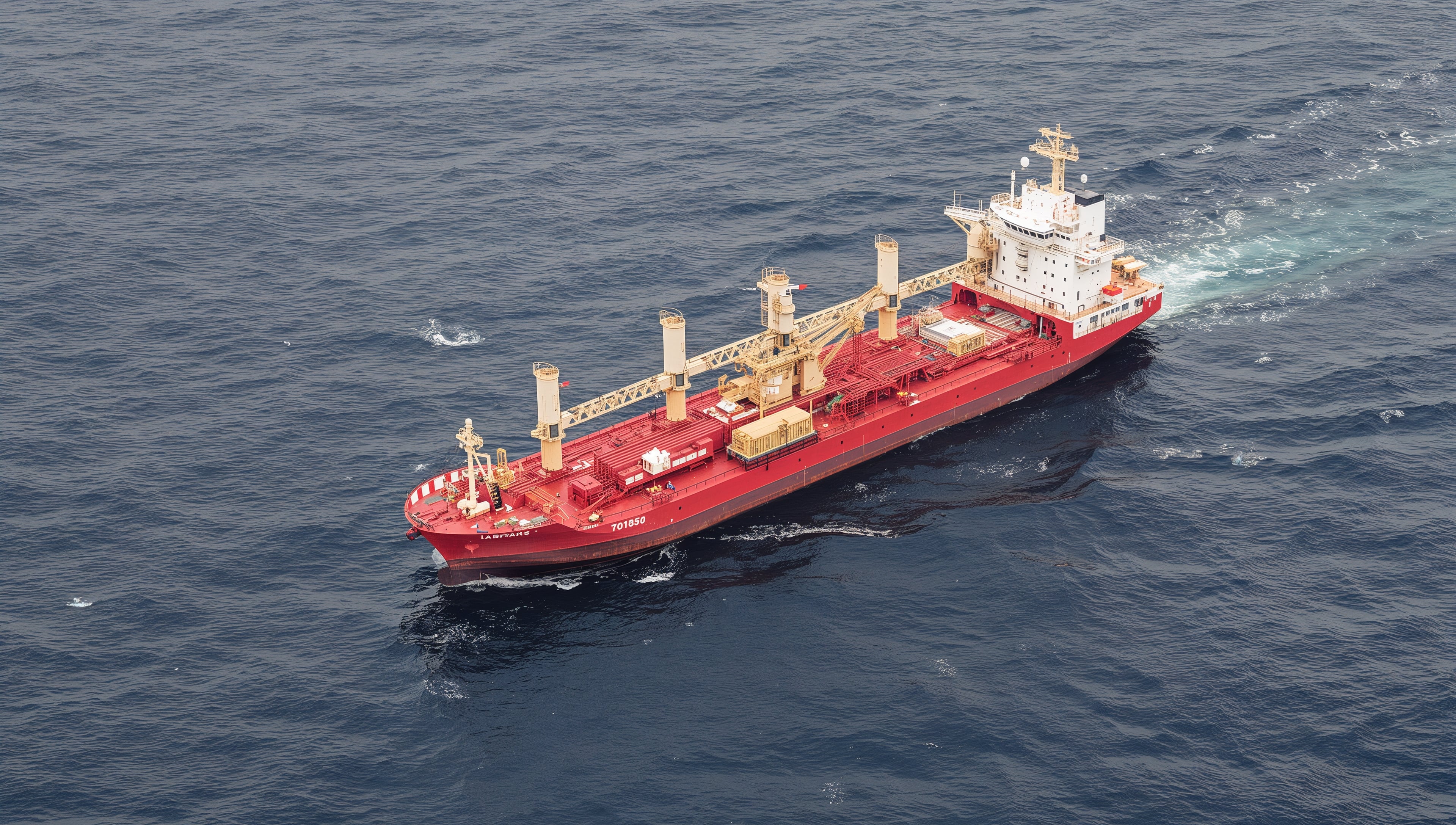
Challenges in Marine Engineering
The marine environment is one of the harshest tests for industrial materials. High salt spray, chloride ion erosion, tidal alternation, and marine biofouling place extremely high demands on the material performance of marine engineering equipment. As critical components in offshore platforms, subsea pipelines, and seawater desalination systems, flange material selection directly impacts the safety and economics of the entire project.
Introduction to Duplex Stainless Steel
Composition and Microstructure
Duplex Stainless Steel (DSS) has a microstructure consisting of both ferrite and austenite phases, typically each comprising approximately 50%. This unique structure gives it excellent comprehensive properties:
- High chromium content (21%-28%): Provides excellent corrosion resistance
- Nickel content (1.5%-8%): Stabilizes the austenite phase
- Molybdenum content (0.3%-4%): Enhances pitting corrosion resistance
- Nitrogen content (0.08%-0.4%): Improves strength and corrosion resistance
Common Grades
- 2205 (UNS S31803/S32205): Standard duplex steel, most widely used
- 2507 (UNS S32750): Super duplex steel, stronger corrosion resistance
- 2304 (UNS S32304): Economical duplex steel, lower nickel content
- 2101 (UNS S32101): Nickel-saving duplex steel, significant cost advantages
Performance Advantages in Marine Environments
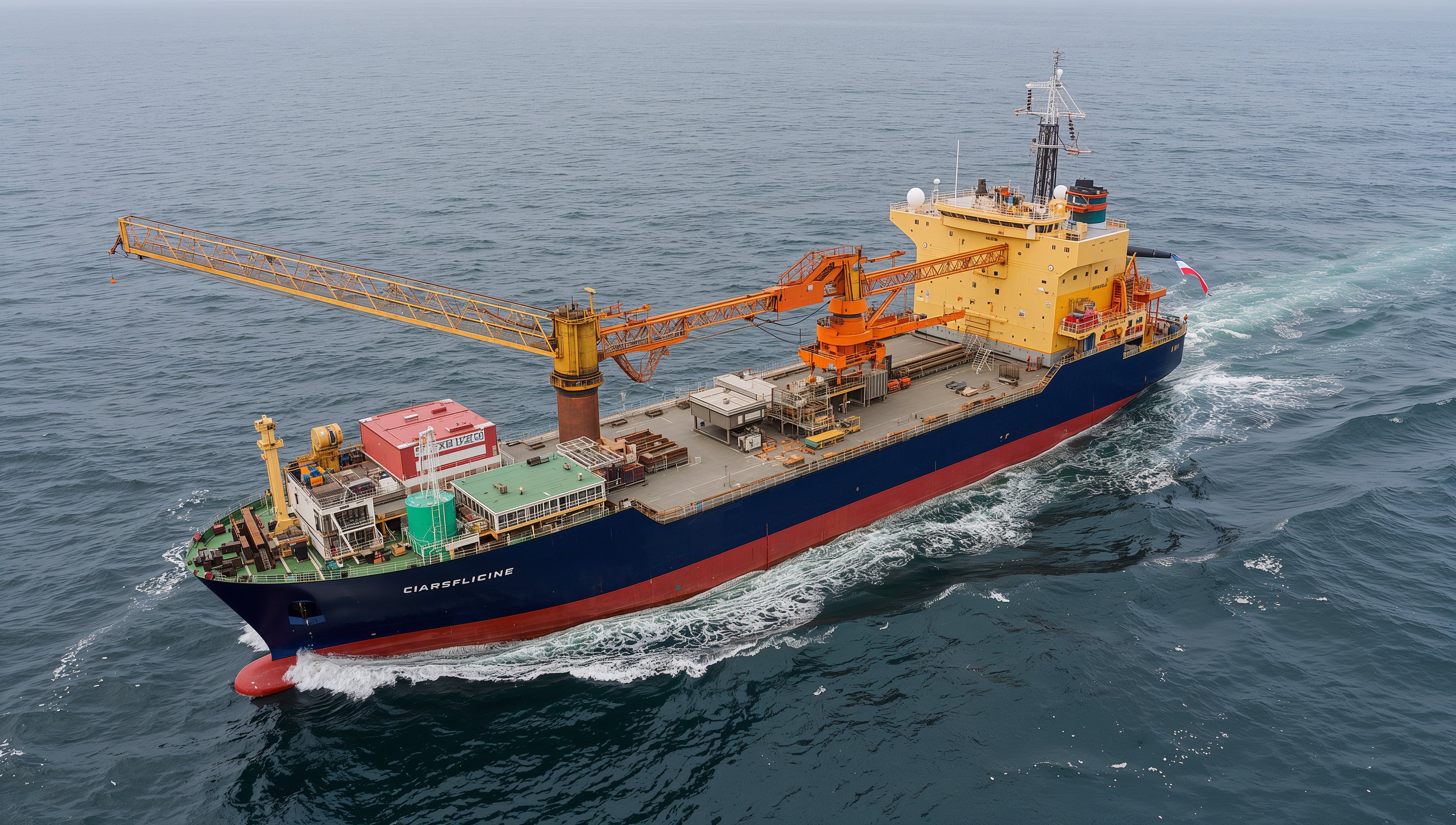
1. Excellent Corrosion Resistance
- Pitting resistance: PREN (Pitting Resistance Equivalent Number) as high as 35-45, far superior to 316 stainless steel
- Crevice corrosion resistance: Excellent performance in crevice structures in marine environments
- Stress corrosion cracking resistance: Effectively resists chloride-induced stress corrosion
- Uniform corrosion resistance: Good performance in both full immersion and tidal zones
2. High Strength and Lightweight
- Yield strength: 2-3 times that of 316 stainless steel
- Tensile strength: Significantly higher than ordinary austenitic stainless steel
- Design advantages: Can reduce wall thickness for lightweight design
- Cost savings: Reduced material usage, lower transportation and installation costs
3. Good Weldability
- Heat-affected zone toughness: Maintains good toughness after welding
- Phase balance control: Ensures phase ratio through post-weld heat treatment
- Matching consumables: Mature welding materials and processes available
- Field weldability: Suitable for marine engineering site construction conditions
4. Fatigue Resistance
- Alternating loads: Excellent performance under tidal and wave action
- Corrosion fatigue: Significant fatigue strength advantages in corrosive environments
- Extended service life: Design life can exceed 30 years
- Reduced maintenance: Significantly lowers lifecycle maintenance costs
Typical Marine Engineering Applications
Application 1: Offshore Oil Platforms
- Usage locations: Wellhead devices, Christmas trees, subsea pipeline connections
- Operating conditions: High pressure, high temperature, containing hydrogen sulfide and carbon dioxide
- Recommended selection: 2205 or 2507 duplex stainless steel
- Actual case: A North Sea oilfield platform using 2205 duplex steel flanges operated for 15 years without failure
Application 2: Subsea Pipeline Systems
- Usage locations: Pipeline connectors, valve interfaces, subsea manifolds
- Operating conditions: Deep-sea high pressure, external seawater corrosion, internal medium corrosion
- Recommended selection: Choose 2205 or 2507 based on water depth and medium
- Actual case: A deepwater oil and gas field project in the South China Sea, 2507 duplex steel flanges performed excellently
Application 3: Seawater Desalination Plants
- Usage locations: High-pressure pump inlets/outlets, heat exchanger interfaces, piping systems
- Operating conditions: High concentration brine, high pressure, high flow rates
- Recommended selection: 2205 duplex stainless steel
- Actual case: A large seawater desalination plant in the Middle East, 2205 flanges had 3 times the service life of 316L
Application 4: Offshore Wind Turbine Foundations
- Usage locations: Foundation structure connections, tower flanges, underwater locations
- Operating conditions: Splash zone corrosion, alternating loads, marine biofouling
- Recommended selection: 2205 duplex stainless steel
- Actual case: Multiple European offshore wind farms using 2205 flanges significantly reduced maintenance costs
Engineering Design Considerations
Material Selection Principles
- Corrosion allowance: Determine reasonable corrosion allowance based on design life
- PREN value calculation: Ensure pitting resistance requirements for specific operating conditions are met
- Temperature limits: Note the operating temperature range of duplex steel (-50°C to 250°C)
- Economic evaluation: Comprehensive consideration of initial investment and lifecycle costs
Manufacturing and Processing
- Forging process: Use appropriate forging ratio to ensure uniform microstructure
- Heat treatment: Solution treatment ensures phase ratio and properties
- Machining: Note work hardening characteristics, select appropriate tools
- Surface treatment: Can perform acid pickling passivation or shot peening
Quality Control
- Chemical composition testing: Strictly control element contents within standard ranges
- Metallographic examination: Ensure ferrite content between 40%-60%
- Mechanical property testing: Tensile, impact, hardness, and other property verifications
- Corrosion testing: Perform salt spray, pitting, stress corrosion tests as needed
Economic Analysis
Initial Cost Comparison
- Duplex stainless steel material cost: approximately 1.5-2 times that of 316L
- Due to strength advantages, wall thickness can be reduced by 30%-50%
- Comprehensive material cost is comparable or even slightly advantageous
- Consider transportation and installation cost savings from lightweighting
Lifecycle Cost
- Maintenance costs significantly reduced (50%-70% reduction)
- Extended service life (2-3 times)
- Reduced downtime losses
- Reduced replacement frequency
- Return on investment period: Typically 3-5 years to recover additional investment
Future Development Trends
New Duplex Steel Development
- Super duplex steels: Further improve corrosion resistance
- Hyper duplex steels: Grades with PREN values exceeding 50
- Economical duplex steels: Optimize composition, reduce costs
- Functional duplex steels: Add special elements for new functions
Application Field Expansion
- Deep-sea engineering: Developing towards deeper waters
- Polar oceans: Addressing extreme low temperature environments
- Hydrogen energy industry: Adapting to special requirements of hydrogen energy
- Carbon capture utilization: CO2 transportation and storage environments
About Us
ZHEJIANG JIAJI FORGING INDUSTRY CO.,LTD was established in 2010, located in Wenzhou, China. We are a professional manufacturer specializing in forged flanges and high-pressure socket welding fittings. Committed to being a global expert in fluid system connection solutions, we always prioritize quality.
Core Material Range:
- Austenitic Stainless Steel: 304/L, 316/L, 321, 316Ti, TP347, TP310S, 904L, etc.
- Duplex Steel: F51/2205/S31803, F53/2507/S32750, F55/S32760
- Nickel Alloys: Hastelloy C276, Inconel 625 & 825, Monel 400, Alloy 800
For more technical information about duplex stainless steel flanges or procurement needs, please visit our official website: www.jiajiforging.com
Conclusion
Duplex stainless steel flanges, with their excellent corrosion resistance, high strength, and good weldability, have become the material of choice in the marine engineering field. With continuous technological advancements and further cost reductions, the application prospects of duplex stainless steel in marine engineering will be even broader. For marine engineering projects pursuing long-term reliability and economics, duplex stainless steel flanges are undoubtedly the best choice.
Publication Date: March 2025