

 Español
 Русский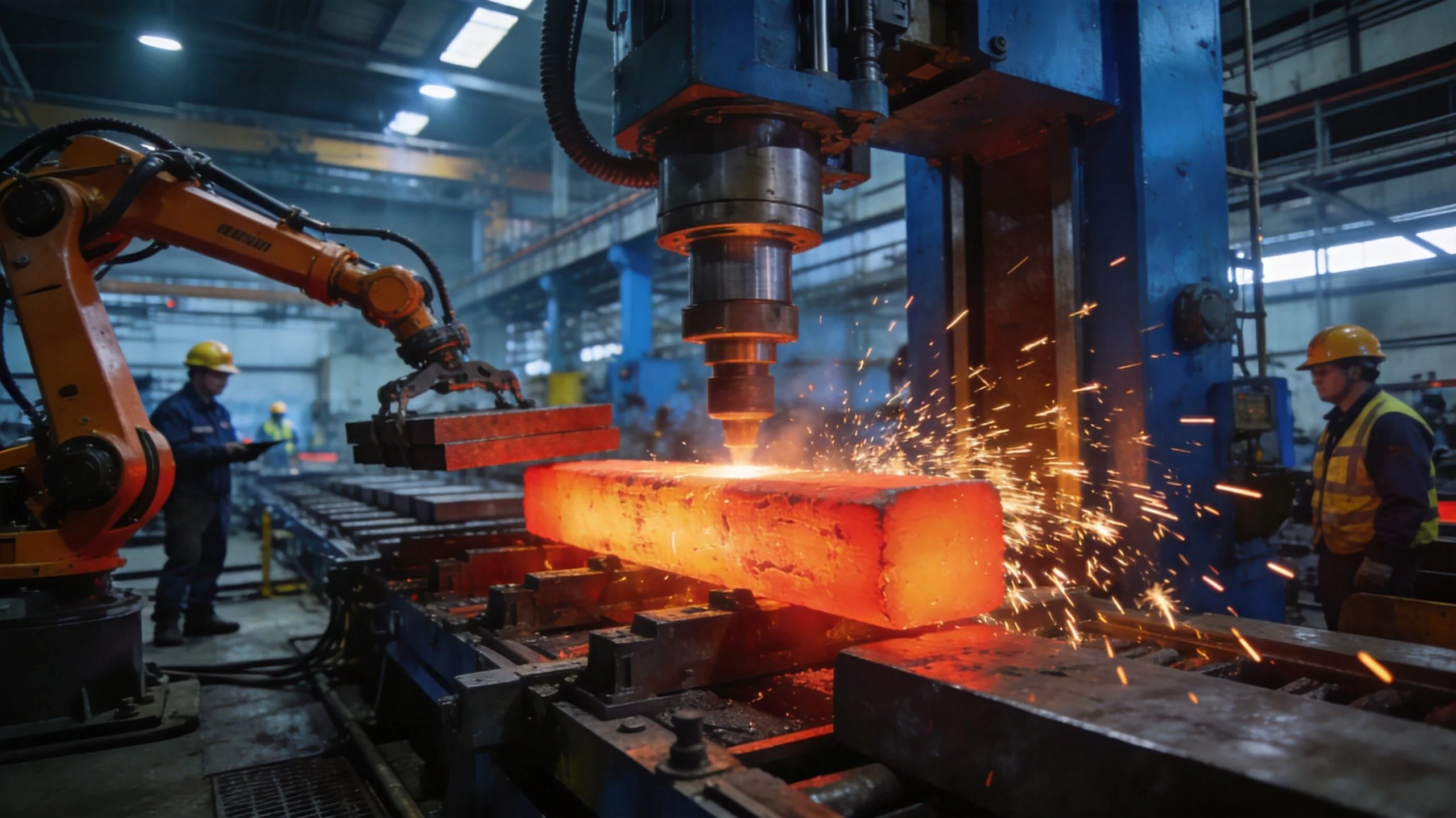
Introduction to the Forging Process
Forging is one of the oldest and most critical metalworking processes in industrial manufacturing, dating back thousands of years. Today, it remains essential for producing high-strength components used in demanding sectors such as oil and gas, petrochemical, marine, and power generation. The forging process involves shaping metal using compressive forces—typically delivered by a hammer or press—to achieve desired geometries while improving the material’s mechanical properties. Unlike casting, where molten metal is poured into a mold, forging refines the grain structure of the metal, resulting in superior strength, ductility, and fatigue resistance.
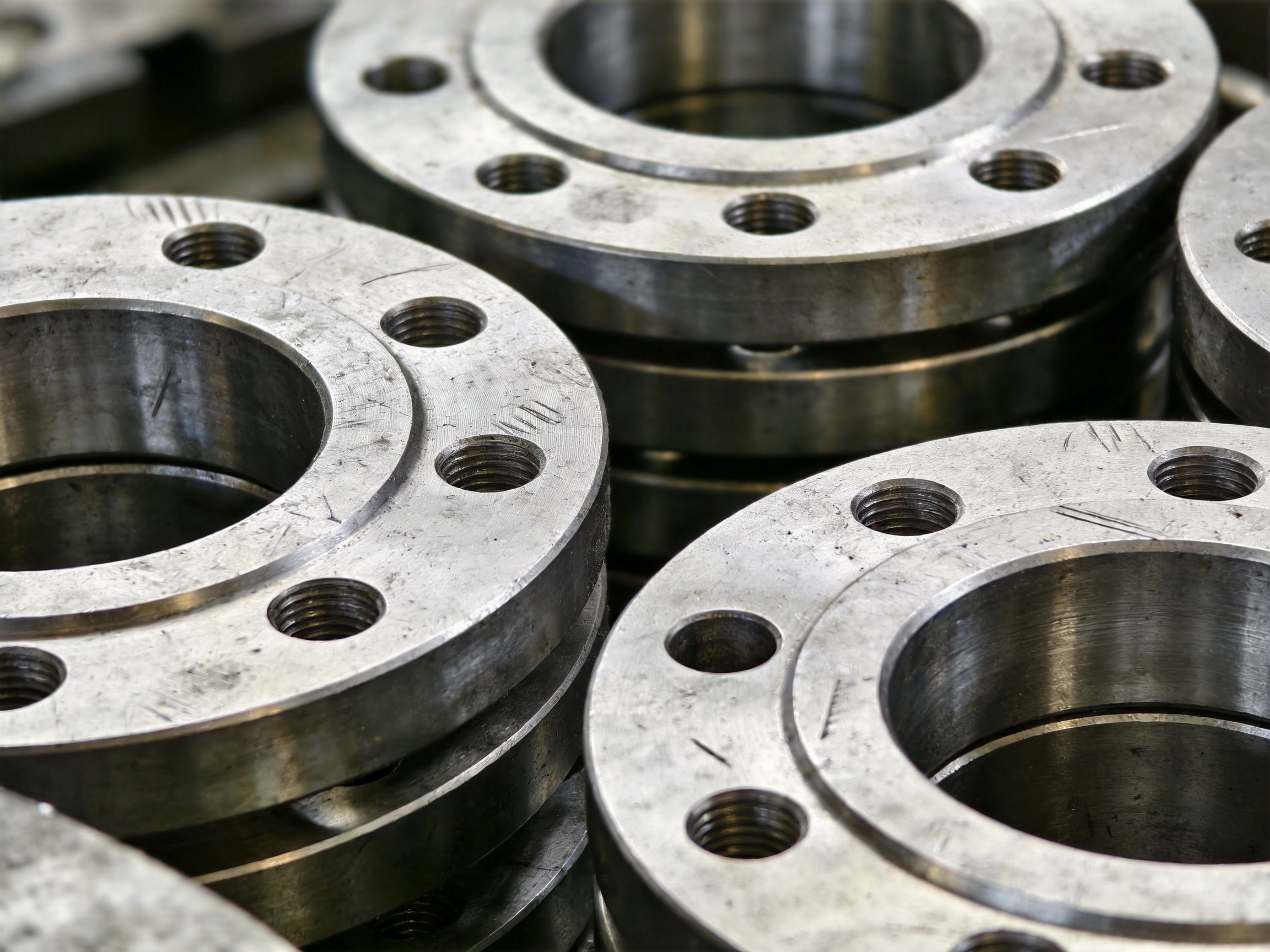
At Jiaji Forging, a professional forging manufacturer based in Zhejiang, China, the forging process is leveraged to produce high-quality flanges and forged parts from duplex steel, nickel alloy, and stainless steel. This article provides a comprehensive overview of the forging process, including its types, materials, advantages, and applications, along with key considerations for selecting forged components for industrial projects.
Types of Forging Processes
The forging process can be categorized based on temperature (hot, warm, or cold) and method (open-die, closed-die, or seamless ring rolling). Each type offers distinct benefits depending on the component’s size, complexity, and required mechanical properties.
Hot Forging
Hot forging is the most common method for large or complex parts. The metal is heated above its recrystallization temperature (typically 1,100°C to 1,250°C for steel) to increase plasticity and reduce flow stress. This allows for significant deformation with lower force requirements. Hot forging is ideal for manufacturing heavy flanges, shafts, and pressure vessel components. The process also refines the grain structure, eliminating internal voids and improving toughness.
Cold Forging
Cold forging is performed at or near room temperature, offering superior dimensional accuracy and surface finish. It is often used for smaller parts like bolts, nuts, and precision flanges. Cold forging increases strength through work hardening, but requires higher press forces and is limited to simpler shapes. Materials like stainless steel and aluminum are commonly cold-forged for applications requiring tight tolerances.
Warm Forging
Warm forging bridges the gap between hot and cold forging, with temperatures ranging from 500°C to 800°C. It reduces the high forces needed for cold forging while providing better surface quality than hot forging. This method is suitable for medium-complexity parts made from alloy steels or duplex stainless steels.
Open-Die Forging
In open-die forging, the metal is compressed between two flat or shaped dies that do not completely enclose the workpiece. The operator manipulates the metal to achieve the desired shape. This method is ideal for large, simple components such as bars, rings, or custom flanges. It offers flexibility for low-volume production and allows for excellent grain flow alignment with the part’s contours.
Closed-Die Forging (Impression Die Forging)
Closed-die forging uses shaped dies that fully enclose the workpiece, forcing the metal to fill the die cavity under high pressure. This method produces complex geometries with high precision and repeatability, making it ideal for high-volume production of flanges, fittings, and valve bodies. The process yields minimal waste and superior mechanical properties due to optimized grain flow.
Seamless Ring Rolling
Seamless ring rolling is a specialized forging process for producing seamless rings used in flanges, bearings, and turbine components. A preformed hollow billet is placed on a mandrel and rotated between a drive roll and an idler roll, reducing the wall thickness while increasing the diameter. This process ensures continuous grain flow, resulting in rings with exceptional strength and uniformity.
Key Stages of the Forging Process
Regardless of the specific method, the forging process generally follows these stages:
- Material Selection and Cutting: The raw material, often a billet or bar, is selected based on required properties (e.g., corrosion resistance for marine environments). It is cut to the appropriate size using saws or shears.
- Heating (for hot forging): The billet is heated in a furnace to the forging temperature. Precise temperature control is critical to avoid overheating (which can cause grain growth) or underheating (which increases cracking risk).
- Forging: The heated or cold billet is placed between dies and subjected to compressive forces. Multiple blows or strokes may be required to achieve the final shape.
- Trimming: Excess material, known as flash, is trimmed away using a trimming press or machining.
- Heat Treatment: Many forged parts undergo heat treatment (e.g., annealing, quenching, tempering) to optimize hardness, strength, and ductility.
- Inspection and Testing: Finished parts are inspected for dimensional accuracy, surface defects, and mechanical properties. Non-destructive testing methods like ultrasonic or magnetic particle inspection are commonly used.
Materials Used in Forging
The choice of material significantly impacts the forging process and final product performance. Common materials include:
- Carbon and Alloy Steels: Widely used for general industrial applications due to good strength and cost-effectiveness.
- Stainless Steels: Offer excellent corrosion resistance, making them ideal for chemical processing and marine environments. Austenitic grades (304, 316) are common, while duplex and super duplex grades provide higher strength.
- Nickel Alloys: Used in extreme environments requiring high-temperature strength and corrosion resistance, such as in oil and gas or aerospace applications.
- Aluminum and Titanium: Lightweight and corrosion-resistant, often used in aerospace and automotive sectors.
For critical applications like offshore pipelines or high-pressure valves, forged flanges made from duplex stainless steel or nickel alloys are preferred. To understand how material choice affects performance in specific environments, refer to our detailed comparison of Duplex 2205 vs Super Duplex 2507 Flanges for Caspian Sea Offshore Projects.
Advantages of the Forging Process
Forging offers several key advantages over other metal forming methods:
- Superior Mechanical Properties: Forging refines the grain structure, aligning it with the part’s shape, which enhances strength, toughness, and fatigue life.
- Improved Reliability: The process eliminates internal voids and porosity common in castings, reducing the risk of failure under stress.
- Better Dimensional Accuracy: Closed-die forging produces parts with tight tolerances, reducing the need for secondary machining.
- Material Efficiency: Forging minimizes waste compared to machining from solid stock, especially in near-net-shape processes.
- Versatility: Forging can produce a wide range of sizes, from small precision parts to large components weighing several tons.
Applications of Forged Components
Forged parts are essential in industries where safety and performance are paramount:
- Oil and Gas: Forged flanges, fittings, and valves are used in pipelines, refineries, and offshore platforms. For projects in Kazakhstan, selecting reliable suppliers is critical; our guide on Top 10 Forged Flange Suppliers for Kazakhstan Oil & Gas can help.
- Petrochemical: High-pressure reactors and heat exchangers rely on forged components to withstand corrosive chemicals and extreme temperatures.
- Marine: Shipbuilding and offshore structures use forged flanges and shafts for their resistance to seawater corrosion.
- Power Generation: Turbine disks, generator rotors, and pressure vessel components are often forged for reliability under cyclic loading.
- Automotive and Aerospace: Connecting rods, crankshafts, and landing gear components benefit from the high strength-to-weight ratio of forged materials.
Selecting a Forging Manufacturer
Choosing the right forging partner is crucial for project success. Key factors to consider include:
- Capabilities: Does the manufacturer offer the required forging method (open-die, closed-die, ring rolling) and size range?
- Material Expertise: Experience with specialty alloys like duplex stainless steel or nickel alloys is essential for demanding applications.
- Quality Certifications: Look for ISO 9001, ASME, or GOST certifications, which indicate adherence to international standards. For projects requiring GOST flanges, our article on GOST 33259 Flange Dimensions & Pressure Ratings provides detailed specifications.
- Heat Treatment and Testing: In-house heat treatment and non-destructive testing capabilities ensure consistent quality.
- Lead Time and Logistics: Reliable delivery schedules are critical for large-scale projects.
Jiaji Forging, located in Zhejiang, China, combines advanced forging technology with extensive material knowledge to produce high-integrity flanges and forged parts for global clients. Whether you need standard ASME B16.5 flanges or custom large-diameter blind flanges, the company’s expertise ensures optimal performance in your specific application.
Conclusion
The forging process remains indispensable for producing components that demand exceptional strength, reliability, and longevity. By understanding the different forging methods, materials, and applications, engineers and procurement professionals can make informed decisions that enhance safety and performance in their projects. As industries continue to push boundaries in extreme environments, forged components will remain at the forefront of industrial manufacturing.
Related Products & Resources from Jiaji Forging
- GOST vs ASME Flange Standards: Complete Comparison Guide for
- Duplex 2205 vs Super Duplex 2507 Flanges for Caspian Sea Off
- Top 10 GOST 33259 Flange Suppliers in China (2026 Buyer̵
- Top 10 Forged Flange Suppliers for Kazakhstan Oil & Gas
- Large Diameter Blind Flange Selection Guide: ASME B16.5 vs A
For more information about our flange products and custom forging services, visit jiajiforging.com or contact us.